Inflammation is at the root of so many modern health concerns, low energy, bloating, joint discomfort, poor skin health, and long-term disease risk. While acute inflammation helps our bodies heal, chronic, long-lasting inflammation can quietly impact how we feel every single day.
The right lifestyle choices, including targeted supplements and nourishing foods, play a powerful role in calming this internal stress. And one of the simplest, most effective places to begin? Your pantry.
Stocking your kitchen with easy, everyday anti-inflammatory staples makes nourishing your body simple, intuitive, and sustainable. These ingredients are packed with antioxidants, healthy fats, and phytonutrients that support digestion, stabilize blood sugar, balance hormones, and reduce inflammation naturally – without complicated recipes or restrictive diets.
Let’s build your anti-inflammatory pantry, one staple at a time.
Top Anti-Inflammatory Pantry Staples to Always Keep on Hand
Extra Virgin Olive Oil
Why it works:
EVOO is rich in polyphenols, vitamin E, and monounsaturated fats, all of which help protect cells from oxidative stress and inflammation.
How to use it:
- Dressings & marinades
- Sautéing
- Roasted vegetables
- Drizzled over soups and bowls
Turmeric + Black Pepper
Why it works:
Curcumin, turmeric’s active compound, is one of the most studied natural anti-inflammatories. Black pepper significantly boosts its absorption.
How to use it:
- Curries
- Golden milk
- Smoothies
- Eggs
- Soups & roasted veggies
Ginger (Ground or Fresh)
Why it works:
Gingerol helps reduce inflammation, soothe digestion, and support the immune system.
How to use it:
- Stir-fries
- Ginger tea
- Smoothies
- Marinades
- Baking
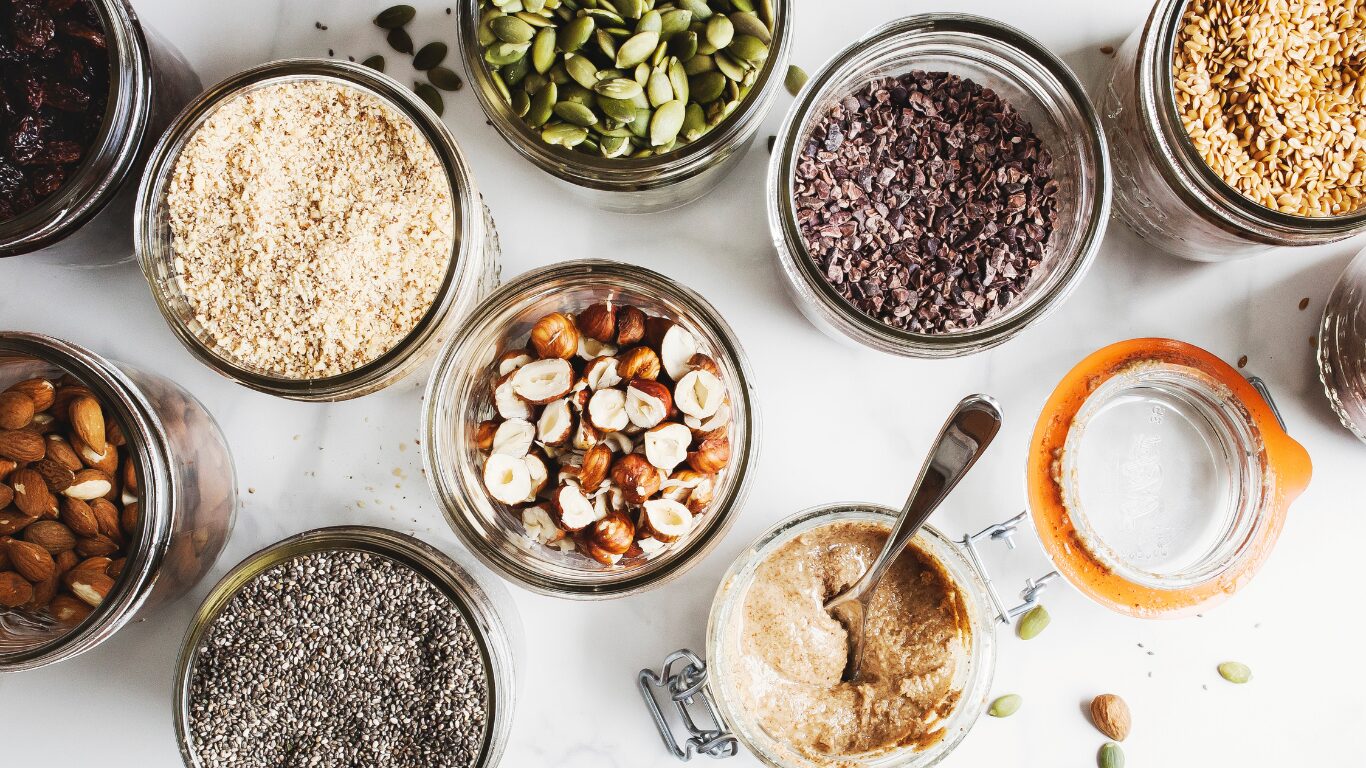
Chia Seeds
Why they work:
A great source of omega-3s, fiber, and antioxidants, all essential for gut health and inflammation reduction.
How to use them:
- Chia pudding
- Smoothies
- Overnight oats
- Yogurt bowls
Flaxseeds (Ground)
Why they work:
Fiber-rich and high in plant-based omega-3s, flax supports digestion, hormone balance, and inflammatory pathways.
How to use them:
- Smoothies
- Oatmeal
- Healthy baking
- Homemade granola
Anti-Inflammatory Carbohydrates
Examples:
- Sweet potatoes
- Quinoa
- Butternut squash
- Beets
Why they work:
These nutrient-rich complex carbohydrates provide steady energy, gut-friendly fiber, and antioxidants that help stabilize blood sugar and reduce inflammatory stress.
How to use them:
- Roasted sheet-pan meals
- Nourish bowls
- Soups and stews
- Salads
Canned Chickpeas & Lentils
Why they work:
Plant proteins rich in fiber and polyphenols that support gut health -where inflammation often begins.
How to use them:
- Salads
- Soups
- Hummus
- Curry
- Roasted for snacking
Canned Tomatoes
Why they work:
A top source of lycopene – a powerful antioxidant that becomes even more concentrated after cooking.
How to use them:
- Pasta sauce
- Shakshuka
- Chili
- Tomato soup
Apple Cider Vinegar
Why it works:
Supports digestive health, blood sugar balance, and antimicrobial defenses.
How to use it:
- Dressings
- Marinades
- Morning tonics
- Detox drinks
Nuts & Seeds (Walnuts, Almonds, Pumpkin Seeds)
Why they work:
Packed with healthy fats, magnesium, antioxidants, and fiber, all essential for reducing inflammation.
How to use them:
- Snacks
- Smoothie bowls
- Baking
- Salads
Cinnamon
Why it works:
Contains antioxidants and compounds that help regulate blood sugar, a major contributor to inflammation.
How to use it:
- Coffee
- Smoothies
- Oatmeal
- Roasted carrots or sweet potatoes
Herbal & Green Teas
Why they work:
Flavonoids and antioxidants in teas help combat oxidative stress and soothe internal inflammation.
How to use them:
- Morning ritual
- Afternoon pick-me-up
- Iced teas
- Wellness lattes
Your Anti-Inflammatory Pantry Shopping List
- Avocado oil
- Extra virgin olive oil
- Turmeric + black pepper
- Ginger (fresh or ground)
- Cinnamon
- Chia seeds
- Ground flaxseeds
- Walnuts, almonds, pumpkin seeds
- Sweet potatoes
- Quinoa
- Butternut squash
- Canned chickpeas
- Lentils
- Canned tomatoes
- Apple cider vinegar
- Green & herbal teas
How to Build Anti-Inflammatory Meals (No Recipe Needed)
Use this effortless formula:
- Start with an anti-inflammatory carbohydrate:sweet potato, quinoa, squash.
- Add protein:chickpeas, lentils, fish, tofu.
- Add healthy fats:olive oil, avocado, nuts/seeds.
- Flavor generously:turmeric, ginger, garlic, herbs.
- Finish with acidity:lemon or apple cider vinegar.
This simple structure keeps inflammation low and nourishment high, without needing strict rules.
Final Thoughts: Your Pantry Is the Foundation of Your Wellness
Creating an anti-inflammatory lifestyle doesn’t have to be complicated. When your pantry is stocked with nourishing staples, you naturally build meals that support your energy, your gut, your skin, your hormones, and your long-term vitality.
Pairing these foods with targeted supplements and supportive lifestyle rituals creates a powerful foundation for healing and thriving.
Start small, add a few staples at a time, and let your pantry become a place of nourishment, ease, and balance.
Your body will thank you, one meal at a time.